
Adamya Sharma / Android Authority
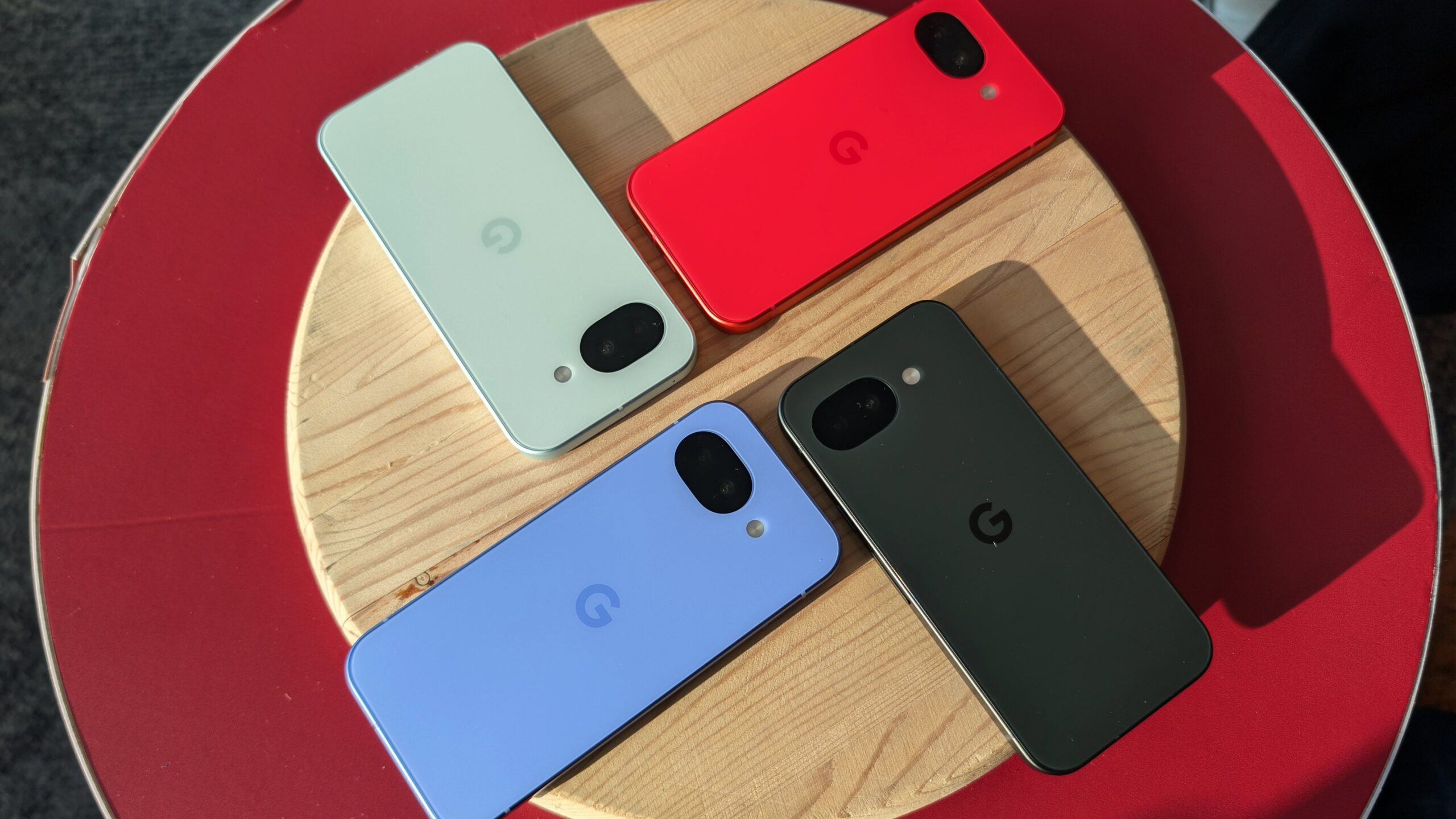
The Pixel 10a went up for pre-order last week. There’s no getting around it: this is pretty much the same phone as last year’s Pixel 9a, with the same chipset, RAM, cameras, battery capacity, and design language. There are some marginal differences, but nobody with a functional Pixel 9a should feel remotely tempted to buy a 10a.
It’s safe to say that the copy-paste Pixel 10a is the norm, not the exception. Aside from hyper-premium experiments like the Galaxy Z TriFold, phones just don’t change much from year to year anymore. That might seem boring to enthusiasts, but I think predictable, iterative releases are actually pretty good for regular consumers.
Like it or not, the Pixel 10a is the future (and present) of modern Android phones.
How many years do you expect a new midrange smartphone to last?
0 votes
Yearly improvements have slowed to a crawl

C. Scott Brown / Android Authority
The Pixel 10a isn’t literally the same device as the 9a, of course. There are actually quite a few minor tweaks: faster charging, a slightly brighter display with more durable cover glass, Bluetooth 6.0, and the addition of satellite SOS (admittedly a major change for the very few people who will ever need it). The newer phone is objectively better, just not in ways most typical users will notice.
Given that the 10a costs the same $499 as the 9a, I’m hard-pressed to see the overwhelming similarities as an issue.
The biggest reason for an average user to buy a new phone is that their old one has become non-functional.
Smartphones evolved rapidly in the years following the release of the first iPhone in 2007, but the category has plateaued since about the turn of the decade.
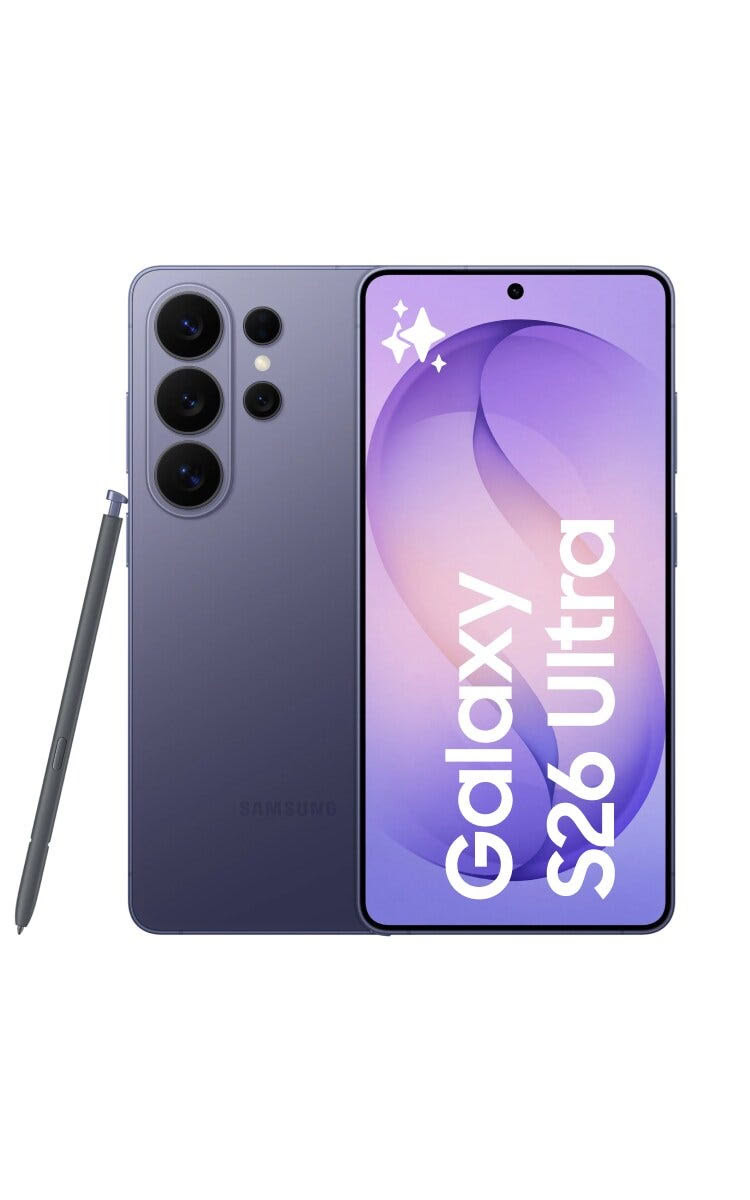
Six years ago, the Samsung Galaxy S20 Ultra hit store shelves with a 1440p, 120Hz display; a triple-rear camera setup headlined by a 108-megapixel primary shooter; 12 or 16GB of RAM; and a 5,000 mAh battery with 45-watt charging. The phone’s early-2020 industrial design looks a little dated these days, but many of its key specs, cutting-edge at the time, are still in line with what we’d expect in a phone released this year.
Don’t want to miss the best from Android Authority?


Marginal improvements continue to add up, and once-premium features keep trickling down to more affordable devices. But lately, the biggest reason I can think of for an average user to buy a new phone is that their old one has become non-functional and fixing it would cost too much — there’s just not much new going on.
That’s increasingly true for enthusiasts, too: It’s cool that the Pixel 10 series supports Qi2 charging, but if I really want magnetic accessories, I can get a Qi2-compatible case for my Pixel 9 Pro.
But does it really matter?

C. Scott Brown / Android Authority
I don’t expect manufacturers to stop releasing updated phones each year anytime soon, but it’s easier than ever for consumers to hang onto their phones for longer. Improvements get smaller every year, and big players like Samsung, Google, and Apple all keep their devices’ software up to date for a very long time after launch.
Annual releases might not be as exciting as they once were, but new phones are more reliable and longer-lasting than ever. As the cost of living continues to rise, and with the AI industry’s appetite for RAM putting upward pressure on the cost of consumer electronics generally, it’s reassuring that you can hang onto even a $499 phone like the Pixel 10a for the better part of a decade if you’re careful with it.
Gemini features • Solid mid-tier offering • Great software support promise
Google’s best AI features, in a more affordable mid-tier device
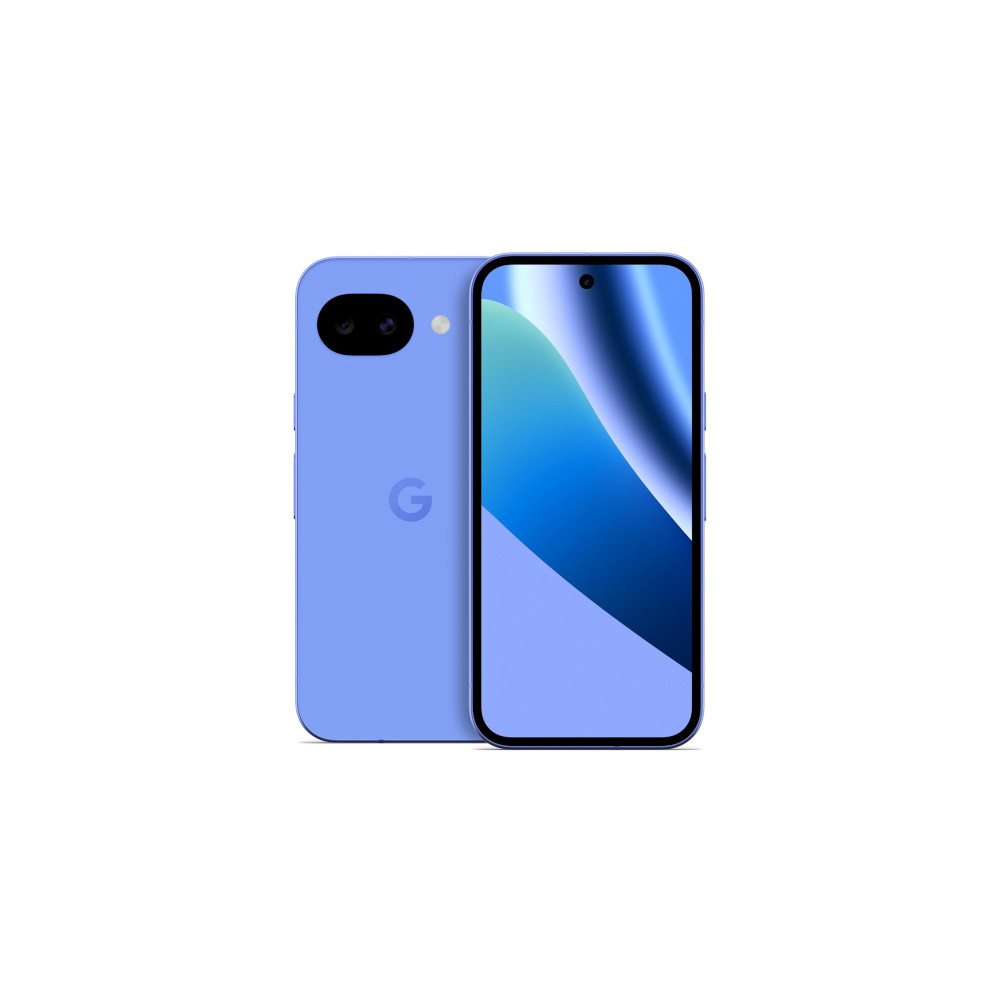
Google Pixel 10a is a refined mid-range phone built around Tensor G4, a brighter 120Hz 6.3-inch display, tougher Gorilla Glass 7i, satellite SOS, and trickled-down Pixel AI features — paired with a reliable dual-camera system, 30W charging, and seven years of updates.
Thank you for being part of our community. Read our Comment Policy before posting.